

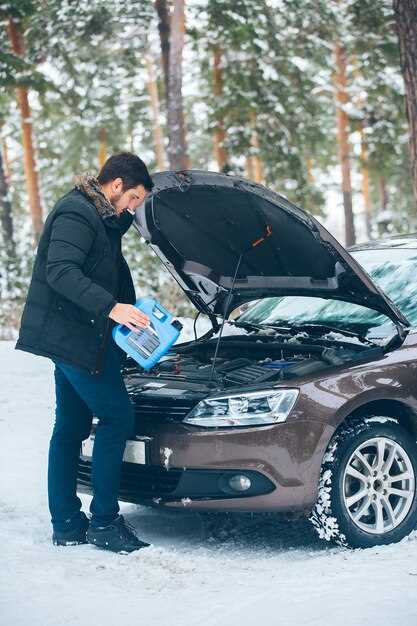
Check all fluids, including antifreeze and windshield washer fluid, to ensure optimal performance in frigid temperatures. Use a windshield washer fluid designed for low temperatures to avoid freezing on the glass.
Inspect tires for adequate tread depth and consider switching to winter-specific models. These tires provide improved grip and control on icy and snow-covered roads.
Maintain battery health, as cold weather can significantly affect its efficiency. Have the battery tested to avoid unexpected failures when temperatures drop.
Verify that wipers are in good condition and consider using winter wiper blades that are less likely to freeze to the windshield. Visibility is key during inclement weather.
Create an emergency kit that includes blankets, snacks, a flashlight, and a first-aid kit. This preparation can prove invaluable during unforeseen delays or incidents.
Check and Maintain Your Tire Condition and Pressure
Regularly examine tire tread depth. A depth of at least 1/16 inch is necessary for optimal traction. Use a quarter or tread depth gauge to measure. Replace tires showing significant wear or damage to avoid accidents due to loss of grip.
Inspect tires for cuts, punctures, or bulges. If any irregularities are found, consult a professional for assessment and possible replacement. Keeping tires in good shape enhances performance in adverse conditions, preventing skidding or hydroplaning.
- Maintain proper inflation by checking pressure monthly.
- Use a reliable gauge to ensure levels match manufacturer recommendations.
- Adjust pressure when tires are cold to guarantee accuracy.
Correct air pressure promotes even wear and better fuel efficiency. Under-inflated tires can lead to poor handling and increased risk of blowouts. Monitor and maintain pressure consistently to ensure optimal performance throughout the season.
Inspect Heating Systems and Wipers for Optimal Performance

Check the heating system to ensure it delivers consistent warmth. Inspect the thermostat’s functionality and verify that coolant levels are adequate. Flushing the system prior to the cold months will prevent sludge buildup and enhance circulation.
Examine windshield wipers to confirm they clear the glass properly. Replace worn or cracked blades to maintain visibility. Rubber components should be flexible; hardened or discolored parts indicate the need for replacement.
Consider using a winter-grade washer fluid that resists freezing. This will prevent frost from obstructing your view and improve overall safety while navigating icy roads. Keep a spare bottle handy in the trunk for emergencies.
Test the defrost function to guarantee rapid clearing of frost and condensation. Adjust vents and controls, ensuring that the airflow reaches all necessary areas. Each component plays a role in maintaining comfort and visibility during colder temperatures.
Assemble an Emergency Kit for Winter Travel Safety

Include a compact shovel in your supplies. This tool assists in removing snow around tires and the exhaust pipe, preventing your car from getting stuck. Opt for a lightweight yet durable option to maintain ease of use and portability.
Pack warm blankets and a first aid kit. Hypothermia risk rises in frigid conditions. A quality blanket provides warmth, while a basic first aid kit can address minor injuries. Remember to check expiration dates on medical supplies periodically.
Add additional clothes like hats, gloves, and thermal layers. These can help maintain body heat if you become stranded. Ensure these garments are suitable for low temperatures, with moisture-wicking capabilities and good insulation.
Emergency food and water supply should take priority. Consider high-calorie snacks such as energy bars, nuts, or dried fruits to sustain energy. Also, store bottled water to keep hydrated, especially if delays occur.
Finally, equip your kit with flares or a reflective warning triangle. Visibility is critical during adverse weather conditions. Use these items to alert other drivers and ensure your safety while waiting for assistance.