

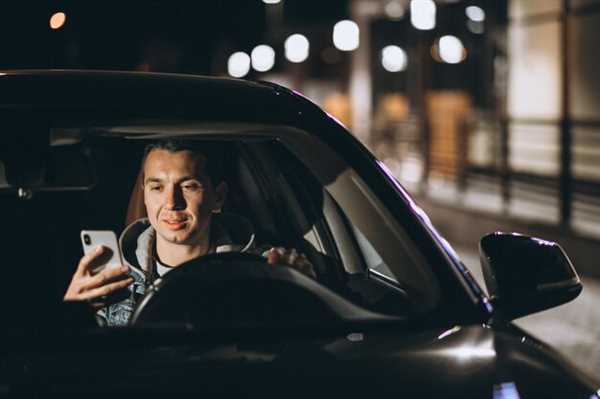
Regularly inspect headlights and taillights to ensure optimal brightness and functionality. Dim or malfunctioning lights can create a dangerous environment, hindering your ability to detect obstacles and hazards.
Adjust your rearview and side mirrors correctly to minimize blind spots. This simple change can significantly improve your awareness of surrounding vehicles and pedestrians, increasing the likelihood of a safe ride.
Utilize high beams judiciously. Engage them on dark roads without oncoming traffic to expand your field of view. Remember to switch back to low beams as you approach other drivers to avoid blinding them.
Maintain a safe following distance by increasing the gap between your vehicle and the one ahead. Reduced visibility means slower reaction times; an extended buffer can provide crucial seconds when needed.
Stay alert to the presence of wildlife along the road. Animals are notoriously unpredictable, particularly in low light, so remain vigilant in areas where signs indicate increased animal activity.
Lastly, reduce speed in dimly lit areas. Comfortably controlling your vehicle in these conditions is vital. A lower velocity allows for quicker reaction times should an unexpected situation arise.
Adjusting Your Headlights for Optimal Illumination
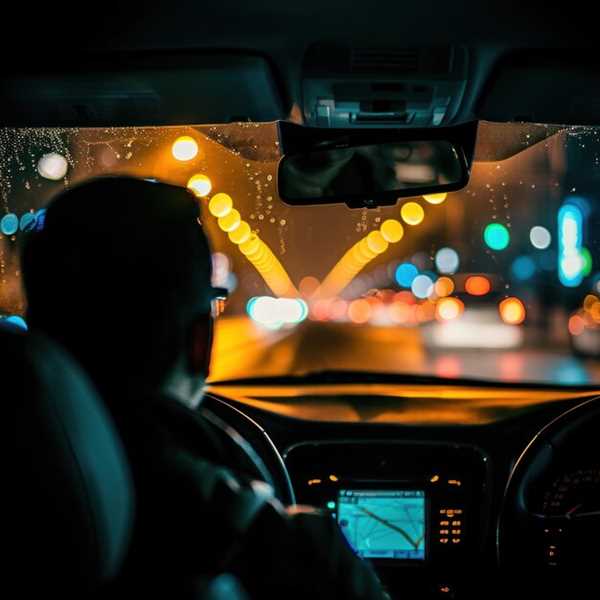
To achieve maximum brightness during low-light conditions, ensure headlights are angled correctly. The ideal position is typically aligned to the road’s surface approximately 10 to 15 feet ahead. This can be checked by parking against a wall with your headlights on, verifying their height relative to the ground.
Regularly inspect for dirt or grime on the lens, as even minor obstructions can diminish brightness. Clean the headlights using an automotive glass cleaner or a solution of vinegar and water. In addition, consider replacing old bulbs with high-intensity versions to enhance output significantly.
- Check the headlight alignment periodically, adjusting as needed to maintain optimal focus.
- Upgrade to LED or xenon bulbs for sharper illumination.
- Use your vehicle’s manual for specific adjustment guidelines based on make and model.
Utilizing Anti-Glare Techniques to Reduce Distracted Driving
Consider utilizing polarized sunglasses to minimize blinding reflections from other vehicles. These glasses can cut the glare significantly, enhancing overall clarity during low-light conditions.
Another effective strategy includes adjusting your rearview mirror. Many modern mirrors come with an anti-glare feature, which can be activated to dim incoming light from cars behind, reducing distractions.
Implementing window tinting on your vehicle can also aid in minimizing excess brightness. Ensure it complies with legal standards to avoid complications while driving.
Choose the right time to clean your windshield. A dirty or smudged surface can amplify glare, reducing your ability to see clearly. Regular maintenance will help in maintaining optimal transparency.
Utilize dashboard covers to limit reflections from your vehicle’s controls and screens. This simple addition can make a noticeable difference in clarity while focusing on the road.
Ensure headlights are properly aligned. Misaligned lights can create excessive glare for both yourself and other motorists. Adjusting them will improve illumination where it’s most needed.
Be aware of how interior lighting affects your vision. Dim the dashboard lights to reduce distractions that could divert attention from the road ahead.
Lastly, remain cautious with the use of mobile devices. Even with a hands-free setup, the screen’s light could be distracting, making it difficult to focus on your surroundings.
Techniques for Spotting Hazards in Low Light Conditions
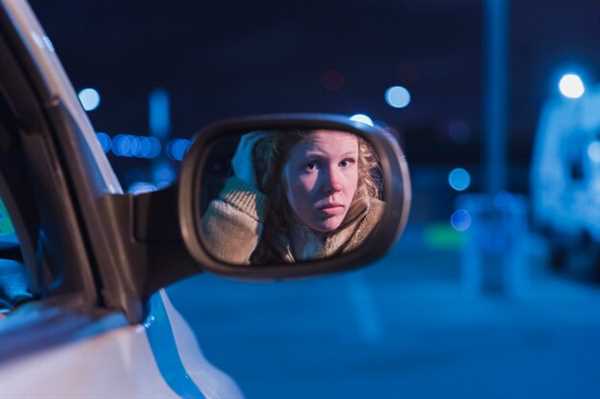
Use your peripheral vision to enhance awareness of surroundings. Train your eyes to focus on distant objects while still scanning the edges of your field of view. This technique allows for quick identification of potential obstacles such as pedestrians, animals, or road debris that may not be immediately in your direct line of sight.
Utilize the high beams strategically, switching to low beams when approaching other vehicles to avoid blinding other drivers. In rural areas, the extra light can illuminate far-off dangers, while in urban settings, adjusting the light can reveal hidden details along curbs and sidewalks.
Reduce speed significantly in dim environments, allowing for increased reaction time. Slower movement enhances clarity and provides a better chance to notice subtle changes in the environment, like flickering lights or unusual shadows that may indicate hazards.