


Before you decide on a second-hand automobile, conduct a thorough inspection to ensure it meets your expectations. Start with a detailed exterior check: look for rust, scratches, and paint inconsistencies that might indicate damage or poor maintenance. Pay special attention to the tires; uneven wear can signal alignment issues.
Next, assess the vehicle’s interior. Examine the condition of the upholstery, dashboard, and controls. Any signs of wear and tear could imply that the car was mistreated. Additionally, ensure that all electronic features, including windows and infotainment systems, are operational.
Documentation is key. Request a vehicle history report to uncover any accidents, title issues, or outstanding recalls. Verify the mileage against the odometer; significant discrepancies may raise red flags. Lastly, consider a mechanical inspection by a trusted technician to uncover hidden faults before finalizing your decision.
Conducting Thorough Research on the Vehicle’s History
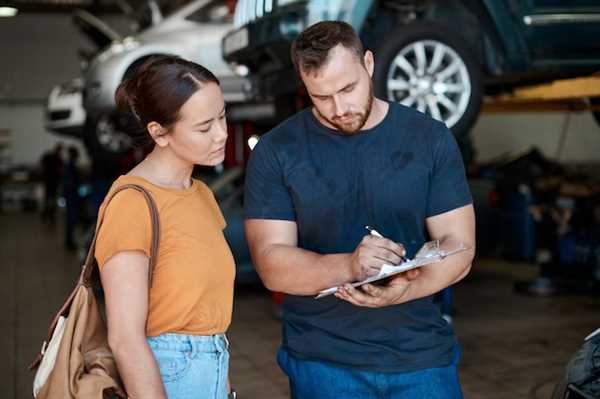
Obtain a Vehicle History Report (VHR) using services like Carfax or AutoCheck. These reports provide detailed information including accident history, title status, and odometer readings, helping you identify potential red flags.
Create a checklist for your research. Include items such as previous ownership records, title changes, or flood damage. This ensures you gather all pertinent details before making a decision.
Assess online reviews and ratings of the specific make and model. Forums and social media groups can offer insights into recurring issues that previous owners have faced, which might not be reflected in official reports.
Reach out to the current owner for maintenance records and invoices. A well-documented service history can indicate that the car has been properly cared for, while missing paperwork may be a cause for concern.
Investigate recall notices for the car’s model. Check the National Highway Traffic Safety Administration (NHTSA) website for any outstanding recalls that haven’t been addressed. Addressing these issues before purchase can save you from future expenses.
Consider conducting a title search through your local DMV. This can reveal if the car has been stolen, salvaged, or has any liens against it. A clean title is crucial for ensuring a trustworthy transaction.
Finally, consult a trusted mechanic for a used car inspection. Professionals may spot issues that aren’t apparent in history reports, adding another layer of protection to your investment. Always prioritize informed decisions to ensure a wise acquisition.
Inspecting the Exterior and Interior Condition
Utilize a detailed checklist to meticulously examine the car’s exterior. Look for signs of rust, dents, or paint imperfections, which may indicate previous accidents or poor maintenance. Pay close attention to the alignment of body panels; uneven gaps could hint at structural issues. Verify that all lights function correctly, ensuring safety for nighttime driving. Additionally, inspect the tires for even wear and adequate tread depth to prevent costly replacements soon after purchase.
Shift your focus to the interior environment. Check for wear on seats, steering wheel, and controls as these can reveal how well the car was cared for. Inspect electronic components, including the audio system and climate control, to ensure they operate flawlessly. Look under the floor mats for signs of water damage or mold, which might suggest leaks or past flooding. Taking these steps will enhance your confidence in making a sound decision regarding the purchase.
Understanding the Vehicle’s Mechanical Performance

Examine the engine thoroughly. Check for leaks, odd noises, and irregular exhaust smoke. Ask for the service history, which should include oil changes, timing belt replacements, and other important maintenance records. A well-documented service history indicates responsible ownership, while significant neglect could suggest underlying problems.
- Inspect the transmission by shifting through gears to ensure smooth transitions.
- Assess the brakes; listen for grinding sounds and check responsiveness.
- Test drive the car on different road types to evaluate suspension and handling.
Look for signs of rust or corrosion on major components, as this could imply long-term damage. Pay attention to how the steering feels; any looseness might indicate a need for repairs. These mechanical aspects are crucial as they directly impact both safety and long-term reliability of the automobile.