


A delay in gear shifting can indicate deeper issues within the vehicle’s drivetrain. If you notice that your car hesitates or struggles to accelerate when changing from one gear to another, it may be time to investigate further.
Unusual noises, such as grinding or whining sounds during gear shifts, are another red flag. These noises often suggest wear or impending failure in the components involved in gear engagement.
Fluid leaks beneath your vehicle are an immediate cause for concern. Dark or burnt-smelling fluid pooling on the ground could suggest that the system is not maintaining adequate lubrication, which can lead to serious problems if ignored.
Slipping gears, where the vehicle unexpectedly shifts out of gear or fails to remain in gear, can result in a loss of control while driving. This symptom often points to either internal damage or a need for fluid replenishment.
Lastly, the presence of warning lights on your dashboard can serve as an alert regarding potential malfunction. If the service light illuminates, a thorough inspection is warranted to identify and resolve any underlying concerns.
Identifying Unusual Noises from the Transmission

Experiencing clunking sounds while shifting gears is a strong indication of potential issues. These noises can signify worn-out components or improper adjustments. It’s crucial to address these symptoms quickly to prevent further damage.
Grinding noises often emerge when gears are not meshing correctly. This could be due to low fluid levels or internal wear. Regularly checking fluid quality and levels can help mitigate such problems. If grinding persists, consult a technician immediately for an inspection.
Whining or humming noises may indicate problems with bearings or gears inside the unit. These sounds usually become more pronounced under load. Failing to investigate these noises can lead to significant and costly repairs later on, making early detection important.
- Listen for unusual sounds during gear changes.
- Monitor specific times when noises occur, such as during acceleration or deceleration.
- Document sounds and symptoms for your mechanic to review.
Recognizing Performance Issues during Gear Shifts
Pay close attention to unusual noises during gear shifts. Grinding or clunking sounds often indicate problems within the gearing mechanism. These can be a sign of wear or misalignment, which can lead to further complications if left unaddressed.
Another common symptom is hesitation or sluggishness when shifting. If the vehicle seems to delay or requires more effort to engage a gear, it could mean the linkages or hydraulic systems are malfunctioning. Continuous assessment during operation is key to identifying these concerns timely.
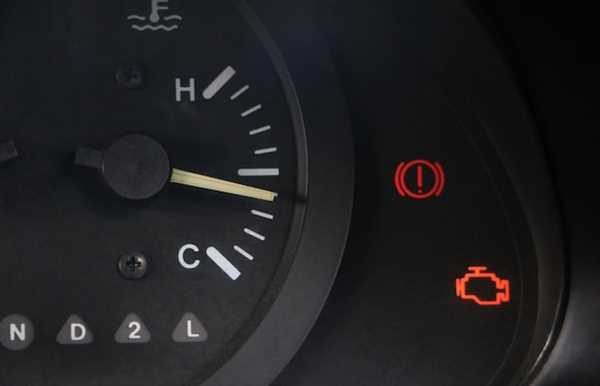
Pay attention to the dashboard for warning lights associated with the transmission. If illuminated, this is typically a direct indication of performance issues that need immediate evaluation. Ignoring such alerts may exacerbate the condition.
Check for any unusual vibrations while shifting. This symptom often signifies misalignment or a problem with the mounts. If the steering wheel or the chassis shakes, it might be time for a detailed inspection of the gear systems.
Observe engine RPM during shifts. If the revs increase without corresponding acceleration, the transmission may be slipping. This could lead to a decrease in power efficiency and acceleration response, necessitating prompt attention.
A frequent burning smell can indicate overheating. If you detect this odor with shifts, it’s likely the fluid is breaking down, risking severe damage to the components. Ensure the fluid levels and condition are monitored regularly.
Be aware of fluid leaks under the vehicle. Dark or reddish fluids pooling beneath the car can point to leakage from the hydraulic lines, which can directly affect shifting performance. Engage a mechanic if leakage is observed.
Lastly, ensure all shifting actions feel smooth and predictable. If you encounter unexpected jerking or resistance, it’s a clear symptom of existing issues. Taking the time to assess these factors can save time and money on future repairs.
Monitoring Fluid Leaks under Your Vehicle
Regularly inspect the ground where your vehicle is parked to identify any fluid leaks. If you notice spots or puddles beneath your car, it could indicate maintenance issues. Pay attention to the color and consistency of the fluid; for example, reddish-brown fluid may suggest a problem with the hydraulic system used for gear shifting.
Conduct a thorough examination of your vehicle’s undercarriage. Check for wet spots on hoses and fittings that may lead to leaking. If there are signs of wetness around the transmission pan, this could point to gasket failure or a loose connection, requiring immediate attention to prevent further complications.
Fluid levels should be monitored regularly through dipsticks or sight glasses. If you find yourself needing to add fluid more frequently, this can indicate a leak that must be addressed. Always consult your vehicle’s manual for specifications on the appropriate fluid type and level requirements.
If you detect a persistent leak, take your vehicle to a mechanic without delay. Continued operation can lead to severe issues, possibly resulting in more expensive repairs. Acting swiftly to address any suspected leaks will ensure the reliability of your vehicle’s systems.