

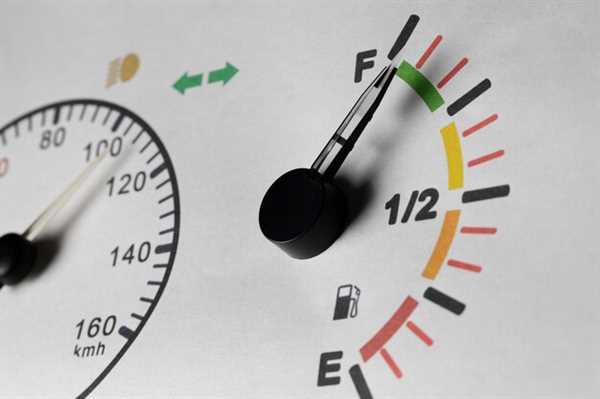
Regular tire pressure checks should be prioritized, as under-inflated tires can significantly decrease performance and increase fuel consumption. Maintaining the optimal pressure can enhance mileage by up to 3%.
Additionally, routine oil changes are necessary to ensure the engine operates smoothly. Using the manufacturer-recommended oil grade minimizes friction, which can lead to improved driving range and lower consumption rates.
Air filter replacement is equally critical. A clean filter allows for better airflow, resulting in more efficient combustion. Neglecting this component can diminish efficiency by as much as 10%.
Furthermore, ensure that spark plugs are in good condition. Worn or faulty plugs can lead to incomplete combustion, increasing the amount of fuel burned. Replacing them at the recommended intervals can help maintain optimal performance.
Lastly, regular inspections of the vehicle’s fuel system, including lines and injectors, can prevent leaks and ensure proper fuel delivery, contributing to better overall efficiency.
Impact of Tire Pressure on Fuel Efficiency
Keep your tire pressure at the manufacturer-recommended level. Proper inflation can enhance your vehicle’s energy consumption by up to 3% per PSI under the recommended level.
Under-inflated tires create more rolling resistance, leading to increased energy expenditure. A drop of just 1 PSI can decrease efficiency by approximately 0.2%. For a vehicle with 30 PSI, this can mean a significant drop in overall mileage.
Regularly check tire pressure, especially with temperature fluctuations. As temperatures drop, tire pressure decreases as well, which might not always be immediately noticeable but can greatly affect distance traveled per gallon.
- Use a reliable gauge for measurement.
- Check pressure at least once a month.
- Look for any signs of wear or damage to the tires.
Over-inflation might seem beneficial, but it can lead to handling issues and increased wear on the tire’s center, impacting overall performance adversely.
Consider the load you are carrying. Heavier loads require proper inflation to maintain optimal energy usage. Following the guidelines for load can make a noticeable difference in how far you can go on a tank.
When buying new tires, look for those with a low rolling resistance rating. These tires are designed to improve performance and can lead to savings in energy costs over time.
In summary, maintaining proper tire pressure not only enhances performance but also contributes to savings at the pump. Make it a habit to ensure your tires are inflated correctly for the best outcomes.
Effects of Engine Oil Quality on Performance
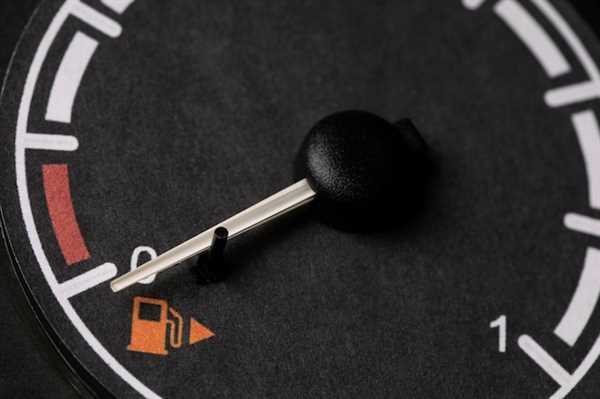
Using high-quality engine oil can improve vehicle performance by reducing friction between moving parts, which in turn minimizes wear and tear. Enhanced lubrication allows the engine to operate more smoothly, resulting in a noticeable increase in power output and a reduction in energy loss. This can translate into better mileage, as the engine works more efficiently. Manufacturers typically recommend specific viscosity ratings; adhering to these can optimize both the engine’s lifespan and its operational efficiency.
The choice of oil type–synthetic, conventional, or blended–also plays a significant role in maintaining engine health. Synthetic oils often outperform conventional alternatives in extreme temperatures, ensuring proper lubrication and protection against sludge formation. Regularly changing the oil and using quality filters aids in keeping contaminants at bay, allowing the engine to maintain peak functionality. Neglecting this aspect can lead to increased friction, higher emissions, and ultimately higher consumption of resources.
Role of Regular Filter Replacement in Fuel Savings
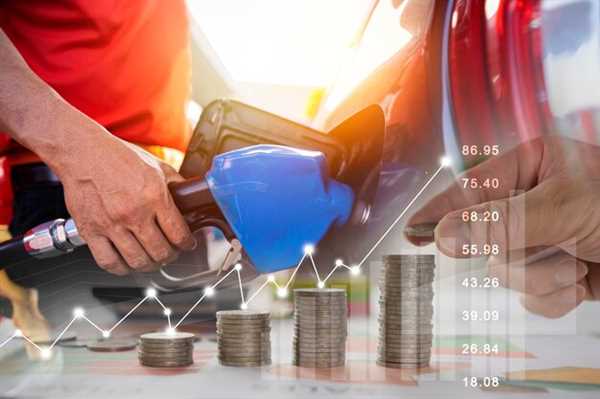
Replacing air and fuel filters routinely can lead to a noticeable reduction in consumption costs. A clean filter allows for optimal airflow and fuel flow, which ensures the engine operates efficiently. Consider changing these filters every 15,000 to 30,000 miles, depending on the vehicle model and driving conditions.
Using a clogged air filter can decrease fuel efficiency by up to 10%. This reduction occurs because the engine struggles to breathe properly, resulting in suboptimal combustion. Regularly inspecting and swapping out the air filter can help maintain clean air intake for better performance.
Fuel filters prevent contaminants from entering the engine system. A dirty fuel filter can restrict fuel flow, causing the engine to work harder. This leads to excessive fuel consumption. It is advisable to check the fuel filter as per the manufacturer’s guidelines, typically around the same interval as the air filter.
| Filter Type | Change Interval | Effect on Consumption |
|---|---|---|
| Air Filter | 15,000 – 30,000 miles | Up to -10% |
| Fuel Filter | Typically same as air filter | Varies based on contamination |
Addressing filter cleanliness not only enhances performance but can also prolong engine life. Efficient combustion relies on a proper air-to-fuel ratio. When filters are neglected, the engine experiences strain, leading to higher repair costs in the long run.
Switching to high-quality filters can make a difference. Synthetic or premium options may offer better filtration and durability. Investing upfront can lead to significant savings through improved efficiency over the life of the vehicle.
Incorporate filter replacement into routine car service. Keeping track of filter conditions and replacement schedules can be a simple yet effective way to manage overall vehicle health and economy. Regular maintenance practices can foster long-term savings and performance stability.